Lubuntu Resolute Beta Released!
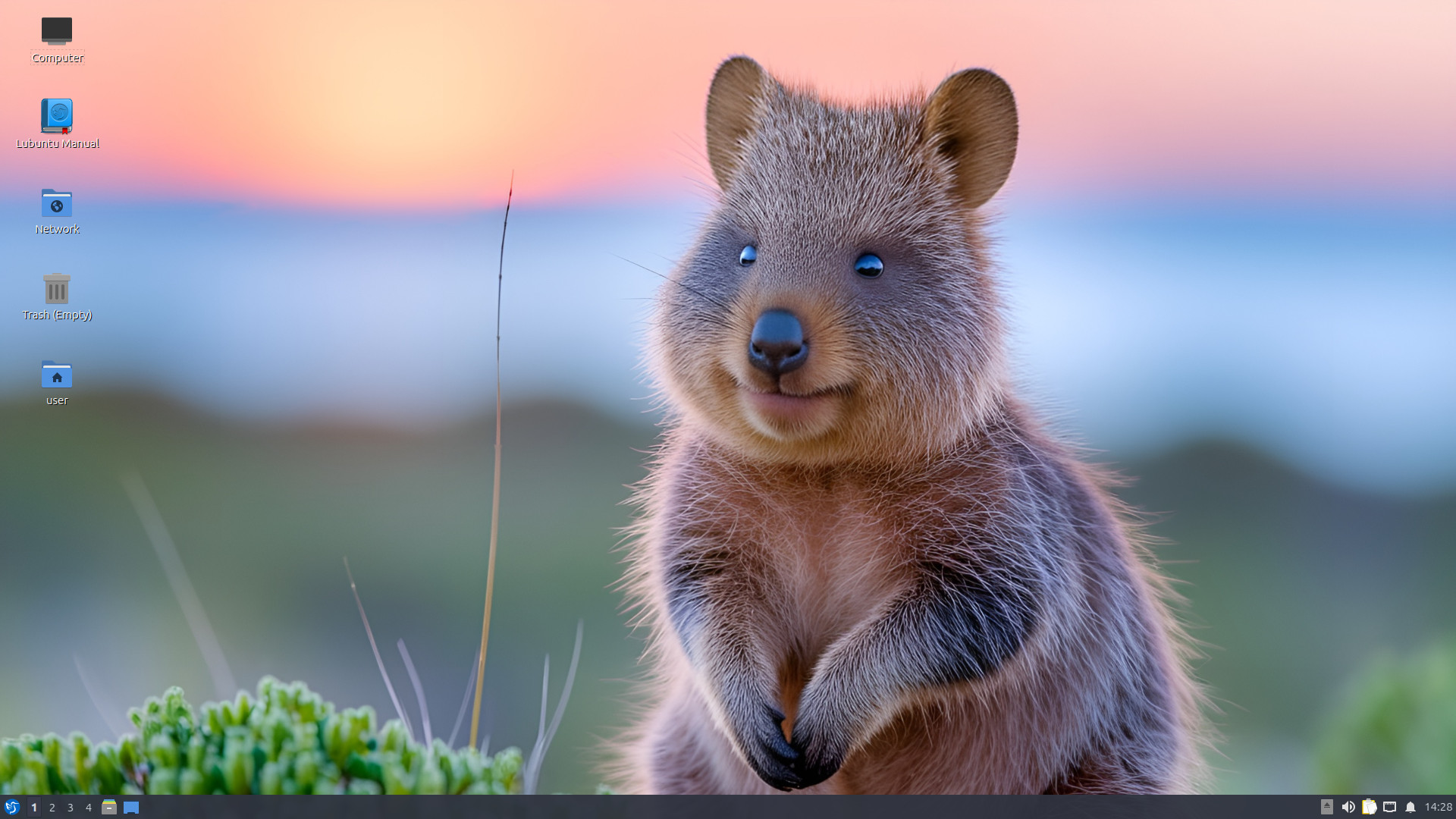
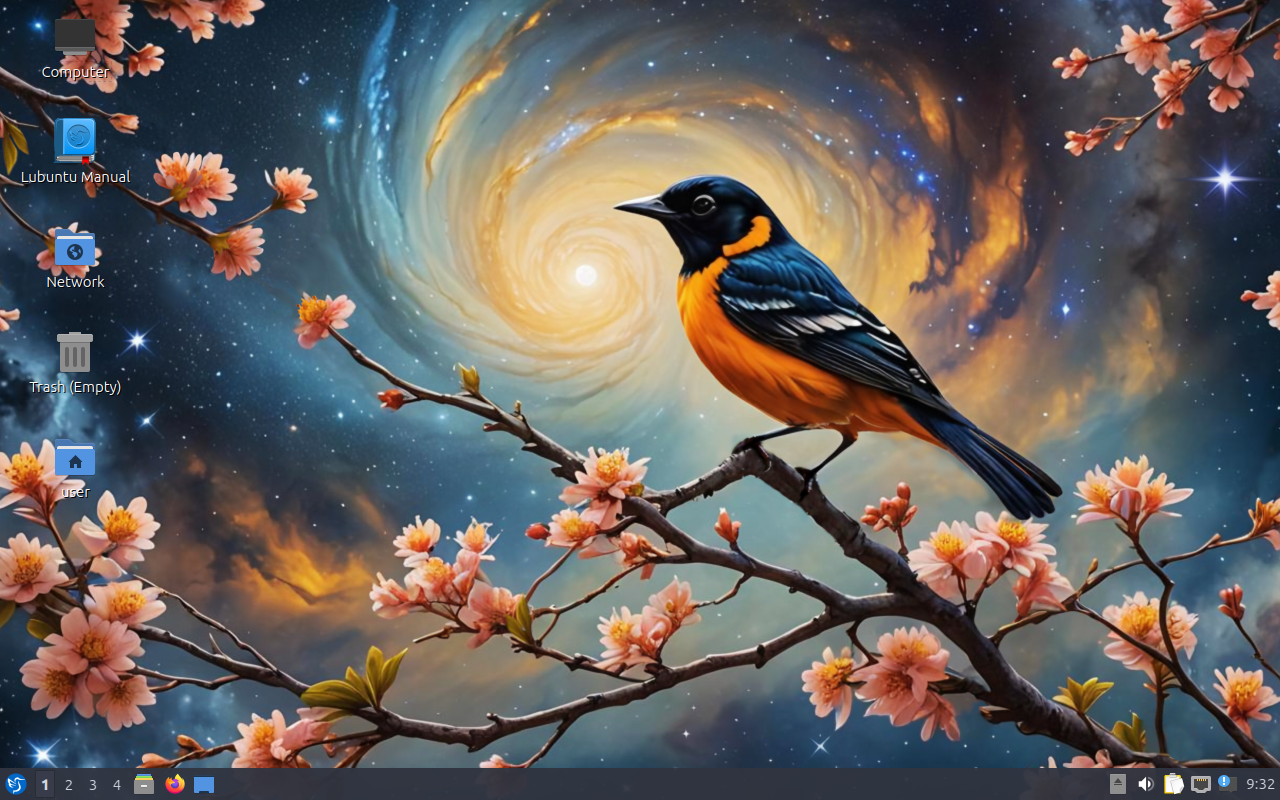
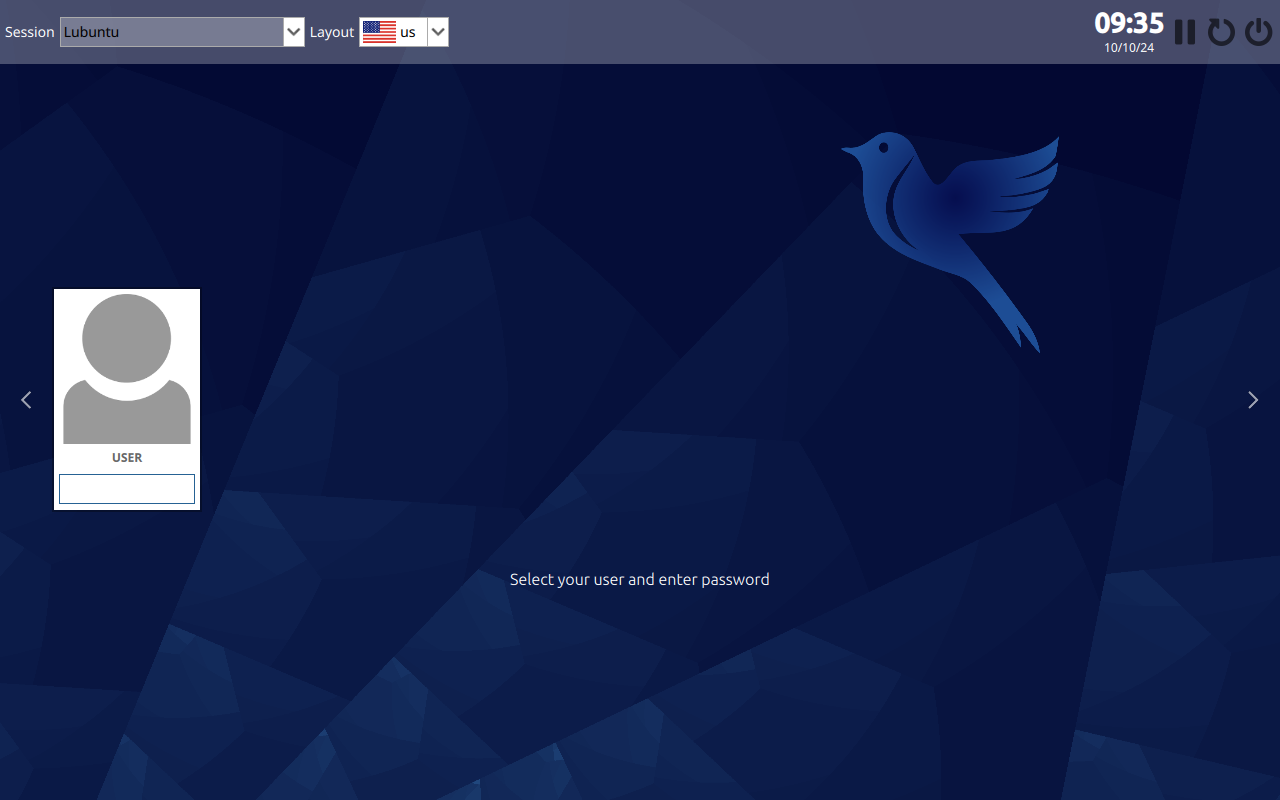
Thanks to all the hard work from our contributors, Lubuntu 26.04 Beta has been released. With the codename Resolute Raccoon, Lubuntu 26.04 will be the 30th release of Lubuntu, the sixteenth release of Lubuntu with LXQt as the default desktop environment.
Support lifespan
With 26.04 being an LTS release, it will follow the standard LTS support period of three years, which means 26.04 will be supported until April 2029. Please note that 26.04 is still in Beta, and is not officially supported until its scheduled release on April 23, 2026.
You can download 26.04 Beta here. If you would like to upgrade your existing 24.04 LTS or 25.10 installation, please visit our manual page describing the process.
Known Issues and Notable Changes
LXQt
LXQt 2.3 is now shipped by default. More information on its release can be found here: 2.3.0
2048-qt
For many cycles, we have included a single game as part of the base Lubuntu installation, 2048-qt. Unfortunately, the application has since become unmaintained, and the existing code’s endgame mechanism is broken on Ubuntu. To avoid shipping broken things as part of an LTS release, we have removed 2048-qt from Lubuntu 26.04.
Users who enjoy playing 2048 are encouraged to investigate some of the alternative versions available in the Ubuntu archive, such as “2048” (a text-mode implementation of the game), and GNOME 2048 (a GUI version). Alternatively, 2048-qt still exists in the Ubuntu archive and can be installed if desired (though one will still have to live with the broken endgame issue).
Known Issues
- On systems that use the text-mode Plymouth boot screen (mainly BIOS systems), the OS may report itself as “Lubuntu 25.04”.
- KWallet and KWalletManager are being installed by default instead of gnome-keyring: Bug link
- Alacritty is being installed alongside QTerminal: Bug link
Common Release Notes
Please also check the Ubuntu Release Notes for more common issues and bugs affecting all Ubuntu flavors.
Wayland plans
While the software needed for a decent Wayland session is present in Ubuntu 26.04, we were not able to start work on a Wayland session in time to include it in the Ubuntu archive or on the Lubuntu ISO. If we do manage to work on a Wayland session for 26.04, it will most likely be offered as a PPA. We will announce its availability here if this materializes.
What is Lubuntu?
Lubuntu is an official Ubuntu flavor which uses the Lightweight Qt Desktop Environment (LXQt). The project’s goal is to provide a lightweight yet functional Linux distribution based on a rock-solid Ubuntu base. Lubuntu provides a simple but modern and powerful graphical user interface, and comes with a wide variety of applications so you can browse, email, chat, play, and be productive. You can find the following major applications and toolkits installed by default in this release:
- LXQt 2.3.0
- Qt 6.10.2
- Mozilla Firefox as shipped in the snap package, at the time of release this is version 149.
- LibreOffice 26.2
- VLC 3.0.23
- Featherpad 1.6.2
- Discover Software Center 6.6.3
You can find a variety of other applications installed which aim to enhance your experience while staying out of the way of your normal workflow. New features and bugfixes in core Ubuntu components can be found here.
Lubuntu Manual
The Lubuntu Team has been hard at work in polishing the Lubuntu Manual to make it easy for new and experienced users alike to use their system more productively. The manual can be found at manual.lubuntu.me. We want to thank Lyn Perrine for all the hard work she has put into the Lubuntu Manual. Thank you!
Versions of the Lubuntu Manual:
While the documentation for previous releases will be kept in the Git repository, they will not be published anywhere.
Want an easy way to access the manual? Just double-click the “Lubuntu Manual” icon on the desktop.
Lubuntu Project
How can I help?
We can always use more help! No matter your skill level or your technical experience, there’s something you can help with that can make a huge difference in Lubuntu. Join us on our Matrix chat and talk to us there. Whether you know another language, have some spare time to help us test Lubuntu, are good at writing documentation, or just want to stay “in the know,” that is the place to be. More information about contributing can be found here. If you want to contribute to Lubuntu but do not feel you have the time or skills, consider buying a t-shirt or donating to Lubuntu. Another great method to get involved is bug reporting. If you notice an issue, please file a bug using the instructions on the Lubuntu Wiki. Don’t want to file a bug? Let us know what the problem is (in detail, enough that we can reproduce it) and we can assist you in filing one or do it ourselves.
Contributors
We would like to thank the following contributors for dedicating their time to Lubuntu this cycle. Thank you!
- Walter Lapchynski
- Lyn Perrine
- Dan Simmons
- Chris Guiver
- Thomas Ward
- Rober
- Leó Kolbeinsson
- Rik Mills
- Erich Eickmeyer
- Aaron Rainbolt
- Many more contributors!
We’d also like to thank previous (and hopefully future!) contributors to the Lubuntu project. We wouldn’t be where we are today without you!
We also wanted to give a special mention to Julien Lavergne, our Project Lead Emeritus and Founder. Without you, the Lubuntu project would not exist. Thank you.
Global Team
The Lubuntu Global Team has been created to foster communities in non-English languages and locales. An up-to-date list of our communities can be found on our Links page, but the existing groups include: Spanish, Portuguese, Russian, Italian, Chinese, German, Japanese, Arabic, and French. If you would like to start a language group, join our development channel and talk with the Global Team. At minimum, you should have a few interested drivers of the community, and at least one administrator that speaks English.